

Does Alcohol Make You Sleepy? What We Know
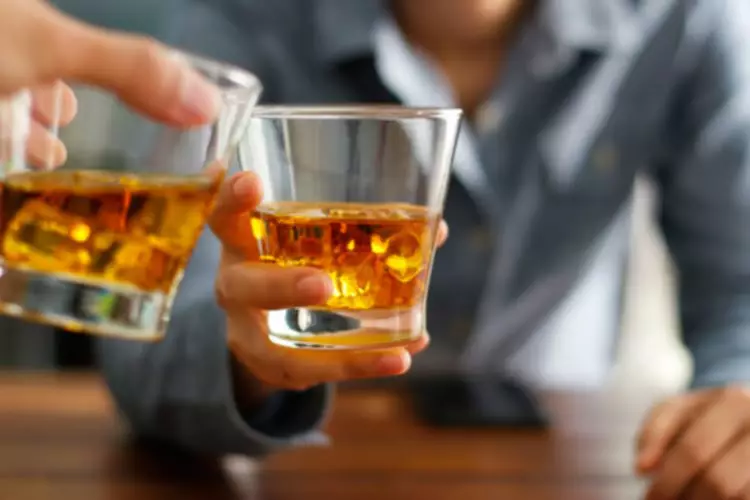
A doctor can suggest different sleep routines or medicines to treat sleep disorders. Talk with a doctor before trying over-the-counter sleep medicines. Talk to your healthcare provider if you regularly have problems sleeping or notice signs or symptoms of common sleep disorders. An individual can experience a range of reactions after drinking alcohol. Some depend on how much you’ve had to drink and the time the alcoholic beverages were consumed.

How does alcohol affect sleep?

Not getting enough REM sleep can make concentrating difficult, cause forgetfulness and leave people feeling excessively sleepy during the day. Poor sleep can also contribute to a wide range of health problems, according to the NIH, including obesity, high blood pressure and depression. Guy Meadows, a sleep researcher and co-founder of The Sleep School, an online platform offering science-based support around sleep, told Live Science that alcohol affects the four stages of sleep in different ways. Besides just waking you up a lot, alcohol can disrupt your normal sleep patterns enough to create some longer-term issues you may need to address. Drinking a light to moderate amount of alcohol (one or two standard drinks) before bed may not have much of an impact.
What is alcohol’s impact on circadian rhythms and REM sleep?
- You may have also developed a tolerance to the sedative effects of alcohol and other factors, like poor sleep hygiene, could be keeping you awake.
- If you’re someone who snores, you may find that you snore even more after a night of drinking.
- The more you drink in one sitting, the longer it can take for your body to metabolise that alcohol, which is why moderate drinking matters.
- “Have a glass of wine, maybe two,” says Dr. Oyegbile-Chidi, but that doesn’t mean every night.
- If you have a restless night after a drink or two, you might reach for an extra cup of coffee the next day to combat daytime sleepiness.
Making small changes to your daily routine can help you get the sleep you need. “Alcohol is included in our culture in social settings and I don’t want my patients to not go out ever. Social connection is so helpful for our mood and energy. You need to weigh the pros and cons of these choices”, Conroy said. As mentioned, the snooze-inducing effect of alcohol doesn’t last all night. If you’re going to have a drink before catching some shut-eye, consider digesting this information first.
Stop drinking four to six hours before bedtime
“If you look at what alcohol does, you’ll see that it suppresses a lot of positive, restorative things about sleep”, he said. In short, drinking alcohol prior to bed causes middle-of-the-night wake-ups and interferes with the most important stage of sleep. However, as the enzymes in your liver metabolize the alcohol, removing it from your does alcohol help you sleep body, the sedating effect wears off.

The more alcohol a person drank, the higher that person’s heart rate was during sleep and this even occurred with small amounts of alcohol. For example, drinking one drink at night increased the heart rate by 1.4 beats per minute, while drinking three drinks per night increased the heart rate by 4 bpm. While alcohol can help you fall asleep, it does not help you stay asleep during the later hours of the night. It may increase the likelihood of waking up in the middle of the night, resulting in grogginess the next morning. Sleep deprivation due to alcohol consumption can exacerbate performance impairment and daytime sleepiness.
Limit daytime naps
- Anyone who’s ever indulged in a drink or two knows that alcohol can make you real sleepy, real fast.
- Having alcohol before bed is not recommended if you’re aiming for quality sleep.
- Vivid dreams and nightmares — With alcohol in your system you’re more likely to have intense, colorful dreams and nightmares as you sleep patterns ebb and flow.
- Guy Meadows, a sleep researcher and co-founder of The Sleep School, an online platform offering science-based support around sleep, told Live Science that alcohol affects the four stages of sleep in different ways.
Regular drinking has also been linked to shorter periods of rapid eye movement (REM) sleep, a disrupted circadian rhythm, and snoring. “Typically, it’s advised to stop drinking alcohol around three to four hours before bed. This should give the body enough time to metabolize the alcohol and get it out of one’s system, allowing them to enjoy unaffected sleep,” explains Dr. Hsu.

- Though, some experts are currently saying that drinking even a small amount of alcohol over time can hinder your health.
- Below, we’ll take a closer look at how alcohol affects the different stages of sleep, as well as how the quantity and timing of alcohol can influence sleep quality.
- Dr. Seema Khosla is the medical director of the North Dakota Center for Sleep and a medical advisor for MedBridge Healthcare.
- Unfortunately, the problems aren’t over when you manage to fall asleep.
But for many people, having one or two drinks before bed doesn’t necessarily lead to the same headaches, grogginess, or fatigue as a full-on night out. Having the occasional nightcap to unwind is no biggie and may help you fall asleep faster. If you feel pretty drunk, you’ll probably fall asleep quickly but have a restless night. Keep in mind that for people with AUD, sleeping issues may persist through the withdrawal phase. Researchers from a 2020 study concluded that those with AUD need at least 5–9 months of abstaining from drinking in order to normalize their sleep duration and rhythm, so try to be patient with yourself during this time.
Sleep problems, such as difficulty getting to sleep, frequent waking during the night and difficulty getting up in the morning, were also more common in people with alcoholism. Your deep restful sleep tends to be more prevalent in the first few hours but decreases during the second half. To add insult to injury, alcohol is also a diuretic, so it can cause us to wake up in the middle of the night to go to the bathroom—further compromising deeper sleep stages like REM. It may also contribute to nagging heartburn in some people, or be flavored with sugars that disrupt rest too.
Drinking Alcohol Before Bed Is Ruining Your Sleep Quality, According to a Neuroscientist and a Neurologist
Dependence on alcohol is a very real concern for people who have insomnia and routinely use it to fall asleep. Alcohol can affect individuals differently and even affect the same person in different ways at various times, depending on factors such as how much and how quickly alcohol is consumed. If you drink alcohol at night and have trouble falling or staying asleep, you might wonder how long you should wait between your last drink and going to bed so your sleep isn’t impacted. Drinking alcohol is a popular pre-bed activity, but you might find you can’t sleep after a nightcap. First off, while wine and other alcohols have notorious sedative effects, it’s important to note that these drinks also have calories, which means they give us energy, too. So while alcohol is being processed, before you begin to feel a bit drowsy, the calories are being converted to energy.