

Recovery National Institute on Drug Abuse NIDA

For many of those who are addicted, enduring even that action is unimaginable. What must follow is the process of behavior change, through which the brain gradually rewires and renews itself. On March 1, 2022, President Biden announced his administration’s strategy to address our nation’s mental health crisis as outlined in the https://ecosoberhouse.com/ 2022 Presidential Unity Agenda. To meet this goal, SAMHSA collaborated with federal, state, tribal, territorial, and local partners including peer specialists to develop the National Model Standards for Peer Support Certification. You may even form a personal support system outside your group with the connections you make.

Drug use and effects on the brain

Overall, boundaries help establish healthy connections and protect your emotional well-being. They’re important so you and your loved ones continue to express mutual trust and love while understanding that they are there to help you and not go on your recovery journey for you. There are many support group programs available, including online options, each offering unique approaches and strategies to help you on your journey. It may be helpful to consider family therapy, as uncovering family dynamics and potential conflict within the family can be helpful. The reason for addiction may even be rooted in family issues, and by addressing it, you open the doors to understanding, healing, and healthy familial relationships. A solid support system is an important factor in long-term addiction recovery.
What Is Addiction Recovery?
They also value having role models of recovery and someone to call on when the recovering self is an unsteady newborn. Whatever the stress relief that comes from being in a group, many others are not comfortable with the religiosity, the steady focus on the dangers of relapse rather than on growth, or the subscription to powerlessness of AA and NA. Data show that the programs are helpful for some but not for everyone. No matter which pathway of recovery a person chooses, a common process of change underlies them all.
Addiction is a treatable disease
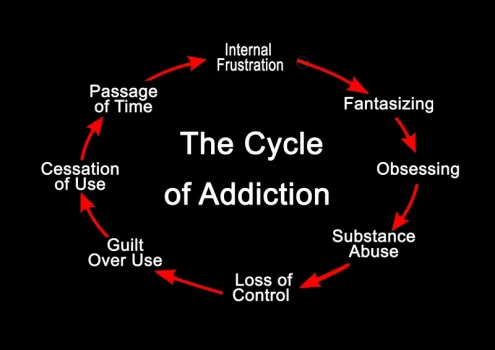
Under all circumstances, recovery takes time because it is a process in which brain cells gradually recover the capacity to respond to natural sources of reward and restore control over the impulse to use. Another widely applied benchmark of recovery is the cessation of negative effects on oneself or any aspect of life. Many definitions of recovery include not only the return to personal health but participation in the roles and responsibilities of society. There are no lab tests that define recovery and no universally agreed-on definition of recovery. For many experts, the key components of addictive disorder are compulsive drug use that continues despite detrimental consequences, and the development of cravings with the inability to control use. Addiction develops over time, in response to repeated substance use, as the action of drugs changes the way the brain responds to rewards and disables the ability to control desire for the drug.
Understanding the Importance of Social Support in Recovery
Only 1.0 percent of people receive substance abuse treatment as an inpatient or outpatient at a specialty facility. The single most popular path is the use of peer support groups in the community. Outpatient treatment programs are another form of comprehensive substance use disorder care. These programs offer many of the same effective treatments and therapies as inpatient programs.

Family and friends often place the needs of their loved one above their own. That can result in a lack of self-care, increased illness and sometimes struggles with depression and anxiety. Chances are good that you know someone who’s recovering from substance use disorder (SUD) and could benefit from your support. Maybe they’re a close family member or friend, or maybe it’s someone you don’t know as well.
- A third is establishing and maintaining a strong sense of connection to others; support helps people stay on track, and it helps retune the neural circuits of desire and goal-pursuit.
- MAT is one of the many types of treatment that is encompassed by the Harm Reduction approach to substance use.
- Most AA meetings occur daily or weekly in a local setting, such as a church or community building.
- Depending on their condition, patients can sometimes continue working and caring for their families while attending weekly scheduled treatment sessions.
In addition, patients are prepared for continued care, which typically includes arrangements for substance abuse treatment. They address multiple factors including education, job training and employment, positive family and social relationships, and housing opportunities, and they work to meet many other personal and professional needs. These factors, known collectively as “recovery capital,” enhance an individual’s ability to function in his or her surroundings, reduce the risk of problematic substance use, and maximize quality of life.
Can addiction be treated successfully?
AUD can lead to adverse social, occupational, or health-related consequences. Fortunately, evidence-based treatment options can support people with AUD. Success in recovery begins with embracing the new lifestyle that comes with sobriety. family support in addiction recovery This entails acknowledging the challenge and making a daily commitment to health and well-being. Developing routines that prioritize self-care, such as regular exercise and proper nutrition, can create a strong foundation for sobriety.
- Other patients with a less severe substance use disorder (SUD) may find starting in an outpatient setting is just as effective as an inpatient facility.
- Fortunately, with consistent treatment and compassionate support, it’s possible – and common – for people to recover from addiction and get back on track with their health, relationships and goals.
- Although addiction tends to cut people off from longtime friends, social support is a significant predictor of recovery.
- Cognitive-behavioral therapy seeks to help patients recognize, avoid, and cope with the situations in which they’re most likely to use drugs.